
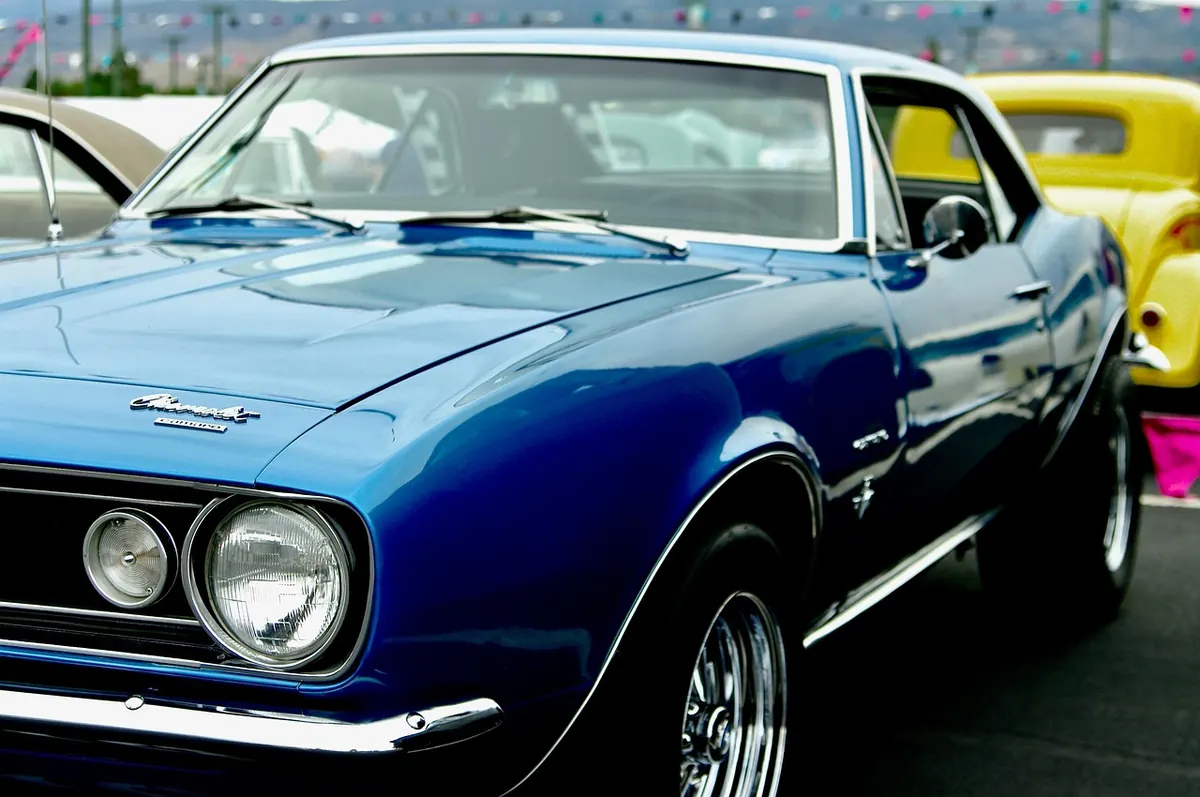
A 1966 coupe with a 289 and a three-speed, and a 1990 LX hatch with a 5.0 and a five-speed, are both Mustangs. They share a badge, rear-wheel drive, and one of the largest enthusiast communities in the hobby. Almost nothing else. If you are shopping for a first classic and your budget runs from weekend toy to genuine second car, you will end up comparing these two eras. Here is where they actually diverge.
Two Eras, Two Characters
The 1965–1973 cars are unit-body constructions with a double-wishbone front suspension, shock towers that crowd the engine bay, leaf springs out back, and recirculating-ball steering. Front disc brakes were optional on most years and standard on some performance models; many cars left the factory with manual steering and manual drums. Engine choices ran from a 170 or 200 cubic-inch six up through 289, 302, 351, 390, 428, and 429 V8s. Each redesign added size and weight. A 1965–66 is the lightest and most nimble of the run, while a 1971–73 is a substantially larger car with more power available and more mass to move.
The 1979–1993 cars sit on the Fox platform, with MacPherson struts up front, a four-link coil-spring rear axle, and rack-and-pinion steering. Motivation ranged from a 2.3-liter four, including turbocharged versions and the SVO, through a couple of V6s and a briefly offered low-output 255 V8, to the engine that made the car famous: the 5.0. Fuel injection replaced the carburetor in the mid-1980s, and a five-speed overdrive manual arrived early in the decade. Body styles split into notchback, hatchback, and convertible.
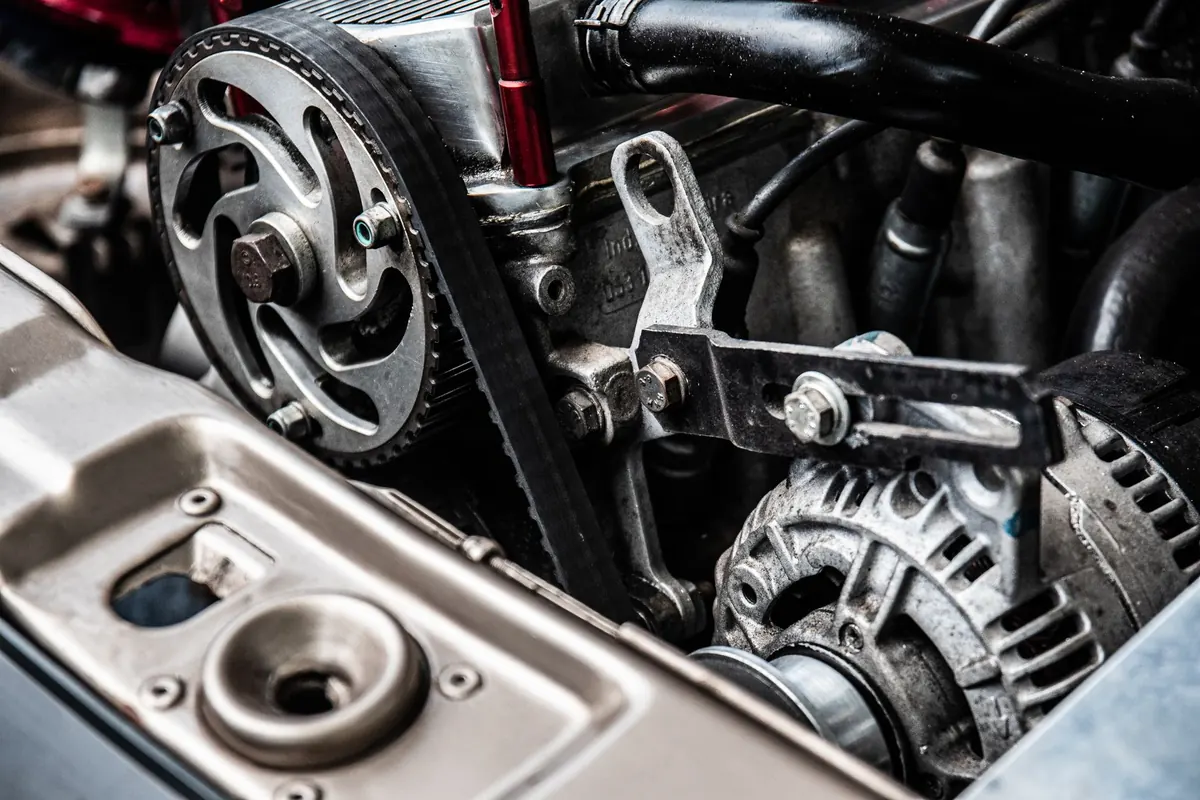
One practical difference shows up the moment you open the hood. The early car gives you room to reach the distributor. The Fox car gives you a serpentine belt, a plastic fan shroud, and a wiring harness to work around.
What You'll Pay
Prices move, so treat any figure quoted in a forum thread as a starting point and check recent sold listings before you commit. The general shape of the market is stable, though.
- Entry point: 1965–66 hardtops and four-cylinder or V6 Fox bodies. Both are the cheapest way into the nameplate.
- Mid-market: clean 1967–68 coupes, solid 1971–73 cars, Fox notchbacks and hatchbacks with the 5.0 and a five-speed.
- Premium: early fastbacks, 1969–70 Mach 1s, Cobra Jets, Boss cars, SVO and Cobra Foxes, and any low-mileage survivor.
Condition usually beats model year, with one exception: rarity. A rough fastback is still worth more than a tidy coupe of the same year, which is why so many rough fastbacks get restored.
Parts Availability: Two Kinds of Easy
For 1965–68 cars, the reproduction ecosystem is enormous. Full quarter panels, floor pans, trunk floors, interior kits, chrome, weatherstrip, and wiring are all available new, and fit quality varies by supplier, so ask which brand a vendor is shipping. The 1969–70 cars are nearly as well supported; 1971–73 trim and sheetmetal are thinner on the ground but improving.
Fox bodies are the opposite case. Mechanical parts are trivially easy: brakes, ball joints, clutches, water pumps, and every engine upgrade you can imagine are stocked or a phone call away. The hard parts are cosmetic. Dash pads crack, door panels and console lids are brittle after decades of sun, and year-specific taillights, T-top seals, and trim pieces take patience to source. Budget for a junkyard network and enthusiast forums, not just a catalog.
Performance: Numbers Versus Feel
A stock 289 or 302 four-barrel early Mustang feels quicker than its modest rating suggests, because the car is light and the torque arrives early. What limits it is everything around the engine: skinny tires, vague steering, and brakes that were designed for a different speed of traffic. A built early car can be genuinely fast, but you are paying for brakes, suspension, and chassis stiffening at the same time.
The question is not which car is quicker. It is which car is quicker in the condition you can actually afford.
A fuel-injected 5.0 starts on a cold morning, idles in traffic, and accepts bolt-on upgrades with unusual patience. Cylinder heads, camshafts, intake manifolds, superchargers, brake kits, and torque-box reinforcements are all off-the-shelf items. That combination is why the Fox is the cheaper path to a genuinely quick car.
Living With One: Comfort and Safety
This is where the gap is widest. The Fox car has fuel injection, overdrive, working air conditioning in most surviving examples, adjustable seats, sealed-beam or composite headlights you can see with, and front disc brakes. It is a car you can drive to work. It is also noisy, creaky, and trimmed in plastics that were modest when new.
The early car asks more of you. Manual choke on some cars, no overdrive, three-speed automatics or four-speed manuals, drum brakes on many examples, lap belts only on the earliest cars, and crash protection that does not compare to anything built after 1980. It rewards the driver with visibility, steering feel, and an engine note the Fox car cannot match.
Whatever you buy, budget for tires, brakes, three-point belts, and lighting before you budget for paint. If you are modifying safety equipment or dealing with registration and emissions rules, check your local requirements and speak with a specialist before you spend. Insurance is worth the same care: enthusiast and agreed-value policies differ sharply from a standard daily-driver policy, so talk it through with a licensed agent who understands collector cars.
Rust and Pre-Purchase Inspection
Rust decides the value of both cars far more than mileage does. Bring a magnet, a bright flashlight, and someone who has looked at these cars before. Structural rust is a shop bill, not a weekend project.
- 1965–73: cowl panel and kick-panel area, front floor pans, rear frame rails, torque boxes, lower quarters, trunk floor and drop-offs, front shock towers, drip rails.
- 1979–93: strut towers, floor pans, rear torque boxes, lower rear control arm mounts, rockers, quarter panels behind the wheels, hatch and trunk floors, and every seal around a sunroof or T-top.
- Both: ask for receipts, verify the VIN and door tag on early cars, and confirm the engine and transmission match what the seller claims.
A pre-purchase inspection by a marque specialist costs far less than a single rust repair. If a seller resists an inspection, that is your answer.
Which One Should You Buy?
Choose the early car if you want the shape, have garage space, enjoy tinkering, and do not need to commute in it. Pick a 1965–68 if parts simplicity matters most, or a 1971–73 if you want the biggest engine options for the least money.
Choose the Fox if you want to drive the car often. Fuel injection, overdrive, and cheap horsepower make it the better second car and the better first restoration, because mistakes cost less and the car still runs while you fix it.
Buy the best body you can afford in either era, keep a reserve for the surprises every old car brings, and drive it. These are not fragile objects, and they were built to be used.
Photo: NWimagesbySabrinaE / Pixabay
Related posts
More stories you’ll love reading