
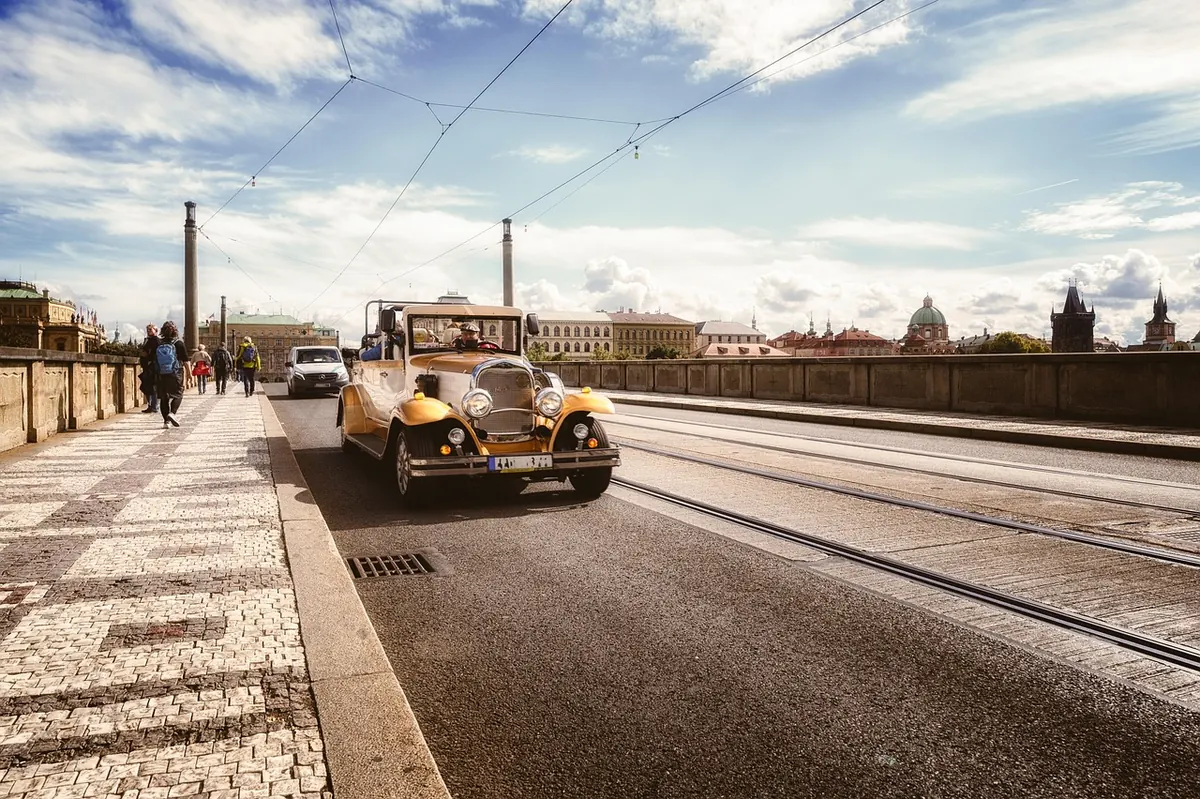
You bought a Model T. Maybe it found you. Now the club tour is on the calendar, and the route is sixty miles of two-lane blacktop. A T can do it, but it asks for a different kind of attention than a modern car. This is not about driving faster or harder. It is about listening to a machine built when roads were ruts and speed was relative. Here is what to know before your first tour.
Start With a Pre-Tour Inspection
Before every tour, walk around the car. Check the oil level using the petcock or dipstick your car has. A stock Model T relies on splash lubrication, so clean oil matters. Check the radiator water. The cooling system is thermosiphon, not pressurized, so it needs water and a clean radiator. Check tire pressure. Clincher tires can roll off a rim if they are soft. Look at the wheel spokes and hub bolts. Loose spokes do not heal themselves. Check the fan belt, the timer, and the coils. A T that misses or runs hot before you leave will only get worse on the road.
- Oil level and condition
- Radiator water level
- Fuel level and sediment bulb
- Tire pressure and tire condition
- Wheel spokes and hub bolts
- Brake and transmission bands
- Fan belt tension
- Coils and timer
- Lights and horn
- Tools, spares, and safety gear
Routine Maintenance on the Road
At fuel stops, check the water and oil again. Model T oil gets dirty quickly, and many owners change it every few hundred miles rather than once a season. Turn the grease cups. Fill the oil cups. Listen to the bands. If the low pedal slips or the brake feels weak, adjust the bands before they wear into the drums. Carry spare coils, a timer, spark plugs, wire, tape, cotter pins, and baling wire. A T can often be coaxed home with simple tools and patience.
Tires deserve their own ritual. Keep a spare tube, patches, a pump, a jack, and wheel chocks. Learn how to mount a clincher tire before you are stranded in the sun. It is not hard, but it is a skill best practiced in your driveway.
Speed Limits and Realistic Expectations
A stock Model T is not a highway car. It will cruise comfortably at 25 to 30 mph on flat roads. A well-sorted T might see 35 to 40 mph, but that is not a cruising speed. Pushing a T to its maximum for long stretches stresses the engine, the bands, and the brakes. Club tours usually plan routes with low speed limits and light traffic. Avoid interstates and busy highways. If traffic builds behind you, pull over and let it pass. Your speed should match your brakes, and your brakes are mechanical and rear-wheel only. Keep a long following distance. Downshift to low for engine braking on hills. Do not ride the brake pedal. On steep downhills, use low gear and the hand lever together.
Safety Gear for a Century-Old Car
There are no seatbelts, turn signals, airbags, or crumple zones. You are the safety system. Carry a fire extinguisher, reflective triangles or cones, a high-visibility vest, a first aid kit, a flashlight, and a charged phone. Bring water and a hat. Pack basic hand tools, engine oil, radiator water, and a funnel. If your T has dim original lights, consider hidden LED bulbs or an auxiliary brake light for touring, and check your local rules for antique vehicle lighting, slow-moving vehicle signs, and seatbelt exemptions. A club officer or your state DMV can point you to the specifics.
Driving Techniques That Keep You Out of Trouble
Starting a T is a procedure, not a button. Retard the spark, set the throttle, set the hand brake, put the transmission in neutral, and turn the ignition off until you are ready. Crank with your thumb on the same side as your fingers. Pull up, do not wrap your thumb. Stand to the side. If the engine kicks back, it can hurt you. Once it catches, advance the spark and adjust the throttle.
On the road, the left pedal is low and high. The middle pedal is reverse. The right pedal is the brake. The hand lever applies the rear wheel brakes and holds the car. Learn to coordinate the pedals with the throttle and spark levers on the steering column. Start in low, release to high on flat ground, and stay in low on hills. Use hand signals for turns and stops. Make eye contact with other drivers, but assume they do not see you. Drive with your lights on. Use the horn sparingly but do not be shy when someone drifts into your lane.
Heat, Hills, and Fuel Flow
Model T fuel is gravity-fed. On a steep hill with a low tank, the engine can starve. Keep the tank at least half full when touring. If the engine sputters, check the sediment bulb and fuel line. Heat is the other enemy. The thermosiphon system needs water and airflow. If the radiator boils, pull over, let it cool, and add water slowly. Never remove the cap while it is hot. On long climbs, use low gear and watch the temperature. Stop before the engine starts to ping or lose power.
Your First Tour Is a Classroom
Go with a club that welcomes beginners. Ask questions. Let someone show you how to adjust a band or set a coil. Do not be afraid to lag behind. The point is not speed but keeping the car happy and coming home with a story. Bring a chair, snacks, and sunscreen. Check in with the tour leader about the route and the pace. If something feels wrong, stop and look. A T will tell you what it needs if you listen. After the tour, note what rattled, what leaked, and what needed adjustment. That is your next maintenance list. Then plan the next tour.
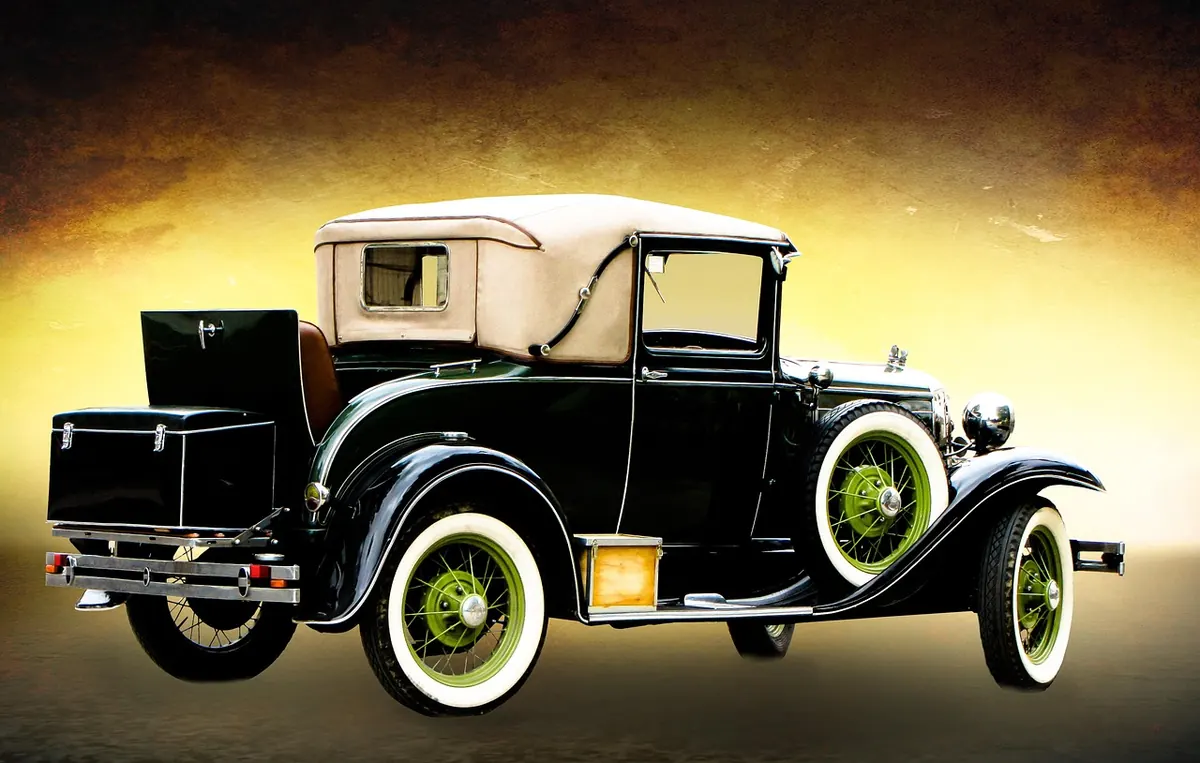
Photo: Tama66 / Pixabay
Related posts
More stories you’ll love reading